Claude Design is Anthropic’s AI-powered visual design tool that turns text descriptions into polished user interfaces on an interactive canvas. Launched in April 2026 as part of Anthropic’s research preview and powered by Claude Opus 4.7, the tool combines a chat panel with a live rendering surface - you describe what you want in plain language, and the canvas produces HTML and CSS output you can refine through inline comments and follow-up prompts. It is included with Claude Pro ($20/month), Max, Team, and Enterprise subscriptions at no additional cost. For those asking what is Claude Design, the short answer is an AI design canvas that compresses the gap between a brief and a visual proposal from hours to minutes.
What makes Claude Design different from other AI design tools is its design system import capability and its direct handoff path to Claude Code. Before starting a project, Claude Design can read your existing brand identity from a GitHub repository, a Figma file, or an uploaded style guide - extracting colors, typography, and component patterns to use as the visual foundation for every design in that project. When the design is ready, the tool packages everything into a structured handoff bundle that Claude Code consumes directly, skipping manual translation steps. For Figma teams, we see Claude Design as an upstream ideation tool rather than a replacement - it handles the jump from brief to visual proposal, while Figma handles design token governance, component libraries, and production handoff. The sections below answer every common question about Claude Design, from how to access it to how it compares with Figma for design system work.
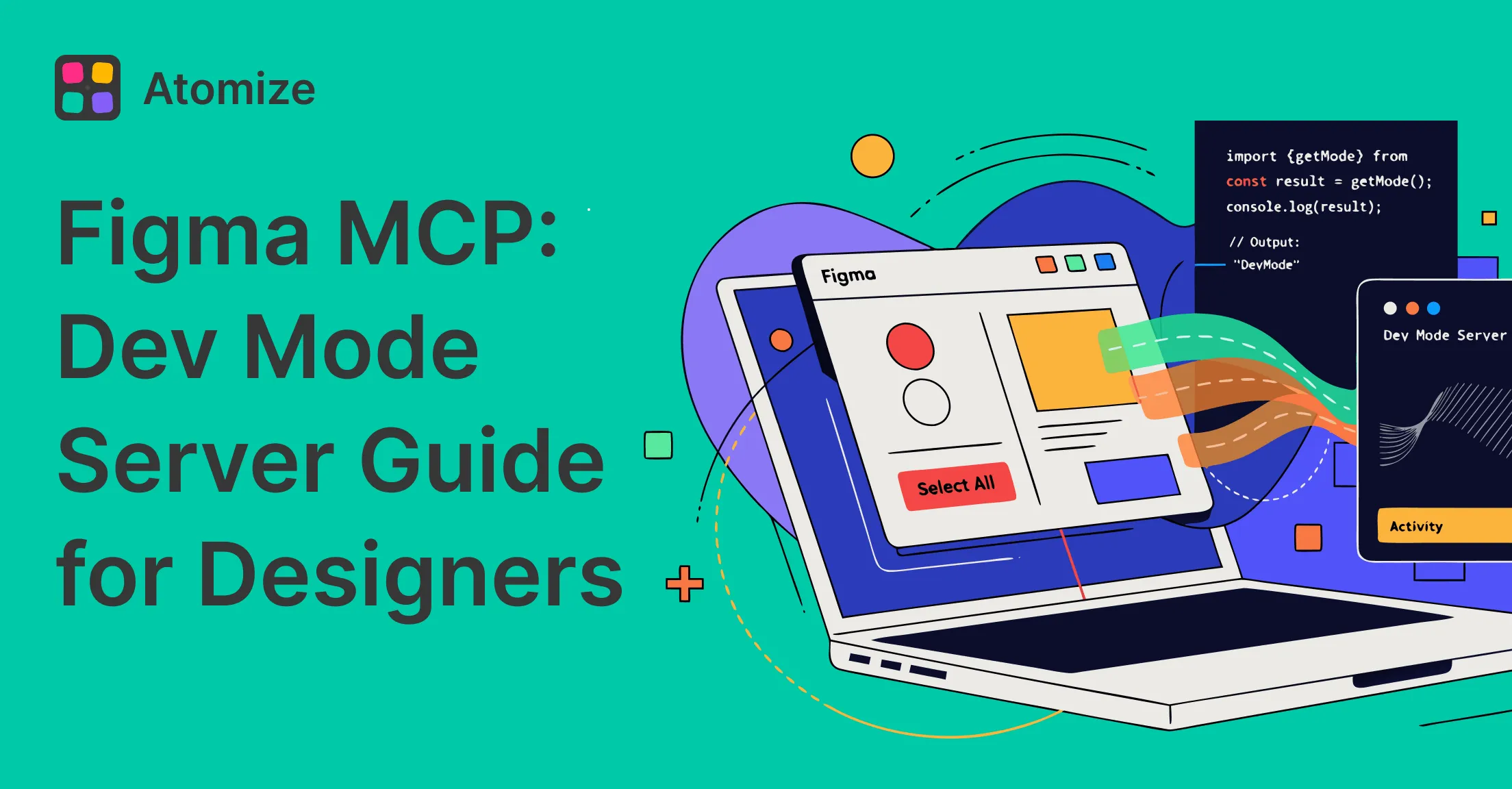
Related workflows: Figma MCP for Dev Mode handoff to Cursor and Claude Code, vibe coding with design tokens for preventing AI from ignoring your token structure, token workflow plugins for export pipeline setup, and Figma design tokens guide for primitive and semantic token architecture.
In short
- Chat + canvas: describe UI in natural language; Claude renders live HTML/CSS you can comment on inline.
- Design system import from a repo, Figma file, or deck before the first screen.
- Handoff bundle ships straight to Claude Code - skip PDF/HTML export when building product UI.
- Figma Variables still win for governed tokens, dark mode, and plugin export - see Figma MCP.
- Best paired with structured tokens and AI skills for designers.
The interface has two parts: a chat panel where you describe what you want, and a canvas where Claude renders the output as live HTML and CSS. You refine by commenting inline on canvas elements or typing follow-up instructions. When the design is ready, Claude packages everything into a handoff bundle for Claude Code. Now that the high-level picture is clear, here is exactly how Claude Design works in practice.
How Claude Design works
Claude Design is built around a two-panel interface: a chat panel on one side and a live rendering canvas on the other. You type a prompt - ‘create a SaaS pricing page, three tiers, dense layout, use our brand colors’ - and the canvas renders a polished design in a few seconds. You can then click any element to leave an inline comment, drag controls to adjust spacing or color, or ask Claude to apply a change globally across the full composition. There is no layer panel or object inspector - everything exists as rendered markup, not a vector document. This is the core of how to use Claude Design: describe, review, refine, repeat.
Collaboration is limited to a single editor at a time. Finished designs can be shared as a live internal URL, exported to PDF, PPTX, or standalone HTML, or pushed to Canva. The primary path to implementation is the Claude Code handoff bundle, which skips export formats entirely and goes straight to a working codebase. Anthropic’s official announcement describes the tool as a research preview that bridges ideation and implementation - the design lives as a shareable canvas first, then becomes a code artifact when handed off to Claude Code. Understanding the workflow is the first step; getting access to the tool is the next.
How to access Claude Design
Claude Design is included with existing Claude subscriptions - there is no separate signup, no separate product to purchase, and nothing to download. If you are asking how to access Claude Design, the answer is straightforward: log into your Claude account on the web at claude.ai, and look for the design tab in your workspace. It is available to Claude Pro ($20/month), Max ($100/month), Team ($25/user/month), and Enterprise subscribers. For those wondering how to get Claude Design or where Claude Design is located, Anthropic’s documentation confirms it appears as a dedicated workspace tab alongside your regular chat sessions - no installation or configuration required.
Claude Design is a web-based tool. It is not available as a separate desktop application, nor is there a Claude Design download to install. It runs inside your browser as part of the Claude web interface. For teams asking whether Claude Design is in the desktop app - it is accessible through the Claude web experience, which you can use from any modern browser on desktop. Once you have access, the first thing design system teams should do is import their brand foundation.
Design system import
Before designing, Claude Design can read your existing visual identity. You provide a GitHub repository URL, a Figma file URL, or an uploaded slide deck, and Claude runs an extraction pass that picks up your brand colors, typefaces, and recurring component shapes. Do it once per project and every subsequent design in that project starts from those styles automatically. Anthropic’s setup documentation recommends uploading a dedicated style guide or UI kit if your codebase does not have a token file. The import process is automated - but what exactly does it capture, and what slips through?
What Claude Design extracts from your brand
Claude Design reads the surface of a design system accurately. It picks up hex color values, font family names, size scales, and common UI shapes visible in your components. For basic brand consistency - keeping the right palette and typography on screen - the import works well and rarely needs manual correction. The gap opens when your design system has semantic structure beyond raw visual values.
Design system import: what Claude Design extracts versus what it misses
| What Claude Design extracts | What it does not extract |
|---|---|
| Brand color values (hex, RGB, HSL) | Semantic role rules - which color is ‘primary action’ vs. ‘surface background’ |
| Typography families and size scales | Context rules - when to use body vs. caption vs. label |
| Common component shapes and UI patterns | Token tier hierarchy - primitive to semantic to component |
| Spacing increments visible in CSS | Dark mode and light mode conditional assignments |
| Logo and imagery style from uploads | Accessibility constraints - legal foreground/background pairings |
The table reveals a clear pattern: Claude Design captures visual values but misses semantic meaning. That distinction matters deeply for teams working with structured design tokens - and it leads directly to the most important limitation design system teams need to understand.
The semantic token gap
The most significant limitation for design system teams is that Claude Design can see your hex values but cannot understand your token intent. Design tokens assign each color a role - color/interactive/default goes on buttons and links, color/surface/raised goes on elevated cards - and those rules live as governance documentation and variable scoping constraints, not as CSS properties that an extraction pass can read. In published testing by Design Systems Collective, Claude Design generated outputs using colors from a token file but ignored their semantic role assignments - applying a brand accent to surfaces where it was never intended. Outputs look on-brand but may break token rules in ways that need a compliance review before anything reaches a developer.
/* What Claude Design extracts from your codebase */
color/brand/500    →  #6366F1
color/brand/900    →  #1E1B4B
color/neutral/50   →  #F9FAFB

/* Semantic intent it cannot infer */
color/interactive/default  →  $color/brand/500   /* buttons, links only */
color/surface/raised       →  $color/neutral/50  /* never brand here */
color/text/on-brand        →  #FFFFFF            /* only on brand/500 backgrounds */
Claude Design sees the raw values in the first three lines. The semantic constraints - and the scoping rules attached to your Figma Variables - are invisible to it. If your token system relies on strict role separation across the DTCG token specification tiers, treat every Claude Design output as a sketch that needs a token review, not a production-ready spec. This is the same design system context gap that breaks AI code generation when tokens are not structured for machine consumption. Tools like Atomize bridge this gap: Claude Design creates the UI visually, and Atomize governs the token layer - scanning for untokenized values, building Primitives into Atoms, auditing coverage and contrast, and exporting DTCG JSON that keeps handoff reliable. Token governance is where Figma still leads; where Claude Design pulls ahead is the path from design to code.
Claude Code handoff and the frontend design skill
Claude Design’s strongest differentiator is its direct path to implementation. When a design is ready, you trigger a handoff that produces a structured bundle - layout descriptions, color values, spacing notes, component intent - formatted specifically for Claude Code to consume. For developers asking how to use the Claude frontend design skill, the handoff bundle feeds directly into Claude Code’s frontend-design skill, which translates the design intent into production-ready frontend code. Because the producer and consumer are both Claude models from Anthropic, no translation layer is needed: Claude Code reads the bundle and generates implementation code faster than any third-party pipeline.
The Claude frontend-design skill works as the receiving end of this pipeline. While Claude Design handles the visual creation side, the frontend-design skill inside Claude Code handles the code generation - producing React, Vue, or plain HTML/CSS output that matches the design. This two-part workflow means designers work in the canvas while developers work in the code, with the handoff bundle as the bridge between them. For those searching for Claude designer skills as a broader concept, the pairing of Claude Design with Claude Code represents the most complete AI-assisted design-to-code workflow available from a single provider.
Going the other direction also works: Figma’s own blog details how Claude Code output can be sent back into Figma as editable layers - useful for teams that want a design artifact alongside the implementation.
The handoff format is proprietary. It is not DTCG JSON, not a Figma token export, and not compatible with the Figma MCP Dev Mode server that Cursor, Windsurf, and other IDE tools use. Teams that run Style Dictionary or a DTCG-compliant build pipeline cannot ingest a Claude Design handoff bundle directly. The speed advantage is real, but the path is narrow: it only helps if your development team is already working with Claude Code. The handoff pipeline is narrow but fast - which leads to the broader question of where Claude Design fits relative to Figma.
Claude Design vs Figma for design system teams
Claude Design and Figma serve different stages of the design process. Claude Design compresses the gap between a brief and a visual proposal - from hours to minutes. Figma handles the production side: token governance, component libraries, real-time collaboration, and the developer handoff infrastructure that mature design systems rely on. The practical answer for most teams is both, in sequence.
Claude Design vs Figma: capability comparison for design system teams
| Capability | Claude Design | Figma |
|---|---|---|
| Quick UI mockups from a text prompt | Excellent | Manual design effort required |
| Design system library and variables | Not supported | Native - Variables, Modes, Styles |
| Semantic token enforcement | No | Yes - via variable scoping and modes |
| Real-time multi-user editing | No (single editor) | Yes |
| Developer handoff | Claude Code bundle only | Dev Mode, MCP, Code Connect |
| Dark mode and theming | No | Yes - via Variable Modes |
| Plugin ecosystem | No | 1,200+ plugins |
| Price (individual plan) | $20/mo (Claude Pro) | $15/mo (Figma Starter) |
The comparison makes the relationship clear: Claude AI design excels at speed from zero to visual, while Figma excels at governance, collaboration, and production handoff. They are not competitors - they are complementary tools that work best in sequence. Given these differences, the practical question is when each tool earns its place in a real design workflow.
When to use Claude Design
Claude Design earns its place in a workflow when you need something visual on screen quickly. Strong use cases for design system teams include:
- Generating a first visual proposal from a brief - prompt it for a layout concept, pick the strongest direction, then rebuild it in Figma with your semantic token layer already bound. Claude Design handles the composition decision; Figma handles the token-compliant production build.
- Creating pitch decks, one-pagers, and landing pages when a dedicated designer is not available
- Rapid layout exploration to validate information architecture before committing to Figma
- Teams already on Claude Code who want the fastest possible path from design to working code
- Solo developers and product managers who need credible UI output without learning Figma
Design system teams can use Claude Design as an upstream ideation layer: generate layout options quickly, pick the strongest direction, then rebuild it in Figma with your token library and component structure intact. That upstream role is where it fits without displacing Figma as the source of truth. For teams relying on Figma plugins for token workflows, Claude Design works best as the step before Figma, not a replacement for it. These use cases point to a clear role for Claude Design - one we can now summarize in a final assessment.
Final verdict - Claude Design
Claude Design is genuinely fast for early-stage visual output, and its Claude Code handoff - paired with the Claude frontend-design skill - is the most direct design-to-implementation path available if your team already uses that stack. For teams evaluating a Claude Figma design workflow, the two tools work best in sequence rather than as alternatives. Claude Design is a capable sketch tool that knows your brand palette but cannot enforce your token rules. The sensible workflow is Claude Design upstream for proposals, Figma downstream for production - not a replacement, but a sequencing decision that plays to each tool’s strengths. For teams wondering how to use Claude Design within an existing design system, the answer is simple: use it to generate ideas fast, then rebuild what works inside Figma with your tokens and components locked in.